Wabi-Sabi Pendant Light
Wabi-Sabi Pendant Light
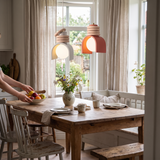
A sculpted resin pendant with a matte, light absorbing finish and warm light.
Couldn't load pickup availability
Secure checkout. Payment is encrypted and processed by Shopify.
Shipping cost and delivery estimate are shown at checkout before you pay.
Details and materials
Details and materials
Wabi-sabi is often used loosely in furniture listings, so it is worth saying what it means here in practical terms. The design leans on irregularity rather than symmetry, on a matte surface rather than a polished one, and on a form that looks shaped rather than manufactured. That translates into a pendant with a softly uneven silhouette and a chalky, light-absorbing finish, which behaves quite differently from the glass and metal fixtures it will hang beside in most homes. Glass sparkles and metal reflects; a matte sculpted shade does neither, and instead reads as a quiet mass in the room with the light emerging from beneath it rather than through it. That makes it a good choice for a room that already has hard surfaces working against it, since it absorbs some of the visual noise instead of adding to it. The body is resin, which is what makes the form possible at this scale and this weight. The same shape in plaster or ceramic would demand a properly rated ceiling anchor and a second pair of hands at installation, whereas this hangs from a standard fitting without that complication, and the trade-off is simply that resin is a decorative material that wants a gentle dust rather than scrubbing.
Two finishes are offered, white and orange, with a warm light. White is the more neutral of the two and behaves almost like a piece of architecture in the room, reading as a soft shape rather than as a light fitting, which suits a space where the pendant should be present without being a feature. Orange is the deliberate choice and closer to a terracotta or clay tone than to a bright accent, which is what keeps it within the wabi-sabi idea rather than turning it into a colour statement; against white or deep neutral walls it gives the room a warm anchor point. The light itself is warm, which matters more than the finish for how the room feels after dark. Warm light sits around the tone of a traditional filament bulb, flattering skin, food and timber, and it is the right register for dining rooms, bedrooms and living spaces where the evening should feel relaxed rather than alert. It is worth pairing the pendant with lamps or wall lights rather than relying on it alone, because a single pendant lights the surface beneath it well and leaves the corners of a room comparatively dark. Layered lighting is what makes a room feel finished, and one good pendant is a starting point rather than a solution.
The drop is adjustable, so the height should be set properly at installation rather than accepted as it arrives. That is worth five extra minutes, because correcting it later means taking the whole fixture down again. Over a dining table, roughly seventy-five to ninety centimetres of clearance above the tabletop keeps sightlines open across the table while still putting light where you eat rather than across the ceiling. Above a kitchen island you can hang a little lower, since nobody sits facing across it. In a hallway or a stairwell the only real constraint is clearing the head of the tallest person who passes underneath. Proportion is the other decision worth making deliberately: a pendant should relate to what sits below it rather than to the room as a whole, so a small table wants a modest fixture and a long dining table is often better served by two hung in a run than by one large one. Installation is a standard hardwired ceiling connection, straightforward for anyone comfortable with mains wiring and a short job for an electrician otherwise. Care is a dry cloth, used gently; the matte finish is part of the design and abrasive cleaning will burnish it into a shine that undoes the whole effect.
- Style: Japanese wabi-sabi, sculpted irregular silhouette
- Material: Resin with a matte, light-absorbing finish
- Colours: White or Orange (terracotta tone)
- Light: Warm light - relaxed evening tone
- Drop: Adjustable at installation
- Suggested hang height: 75-90 cm above a tabletop
- Mounting: Hardwired ceiling fixture, indoor use only
Shipping and returns
Shipping and returns
Shipping options, cost and delivery estimates are calculated at checkout once you enter your address. Our full shipping and return terms are published in the store policies linked in the footer.


Irregular On Purpose
Wabi sabi in practical terms means irregularity rather than symmetry, a matte surface rather than a polished one, and a form that looks shaped rather than manufactured. Here that is a softly uneven silhouette with a chalky finish that behaves nothing like glass or metal.

It Absorbs Rather Than Reflects
Glass sparkles and metal reflects. A matte sculpted shade does neither, reading as a quiet mass with the light emerging from beneath it. In a room that already has hard surfaces working against it, that is the practical argument for this pendant.

One Pendant Is A Starting Point
A single pendant lights the surface beneath it and leaves the corners comparatively dark. Pair it with lamps or wall lights. Layered lighting is what makes a room feel finished, and one good pendant is where that starts rather than where it ends.
Irregular on purpose.
More from Azzalini
-
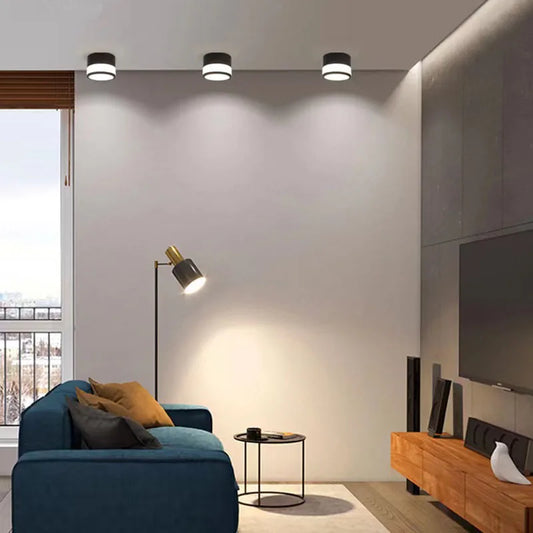
Nordic Surface Mounted LED Downlight
Regular price From $49.99 USDRegular price -
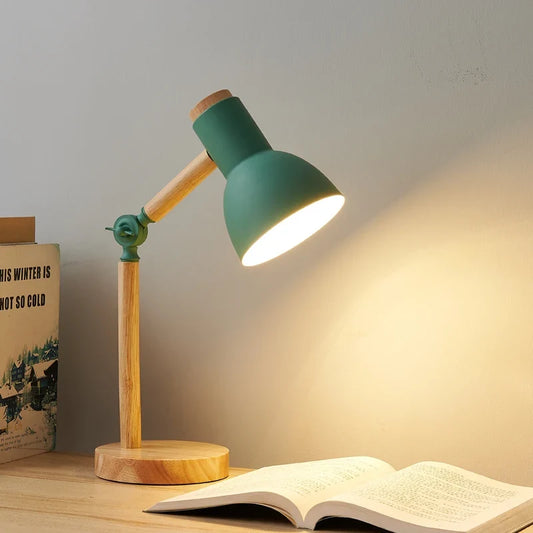
Nordic Wooden Desk Lamp
Regular price $114.95 USDRegular price -
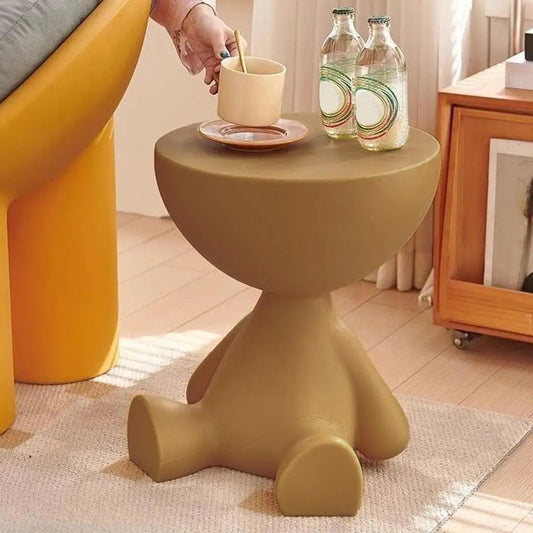
Cartoon Bear Side Table
Regular price $149.99 USDRegular price -
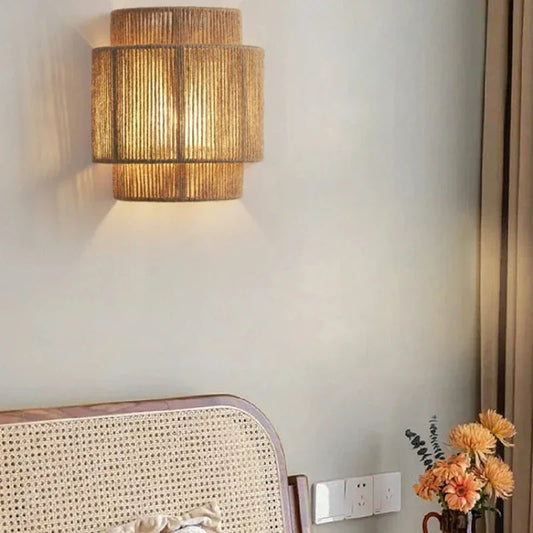
RattanGlow Woven Wall Lamp
Regular price $134.95 USDRegular price$170.00 USDSale price $134.95 USDSale